Source Tpu Label Roll for Shoe Logos, Patches, and Decorations
Find 30 tpu label roll options for sport shoe upper logos, casual shoe materials, and 3D label patches. Compare specifications like thickness, width, and molding methods to select the right film for your manufacturing needs; compare the available evidence and request quotations based on your requirements.
Key considerations
Products List


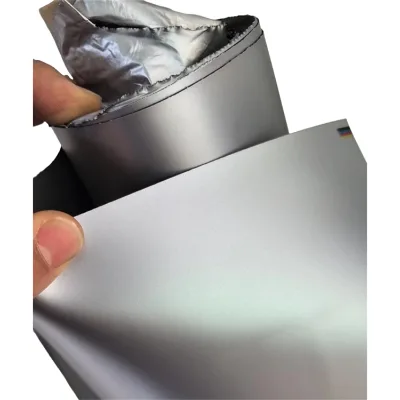
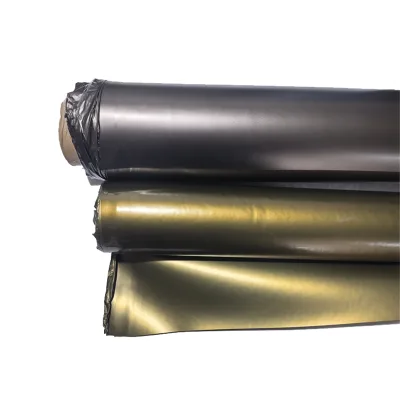
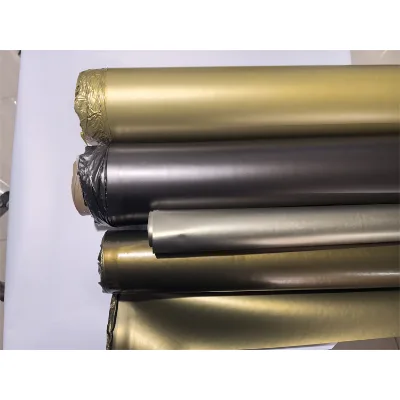


Comprehensive Sourcing Guide
TPU Label Roll Sourcing Guide
Buyers evaluating TPU label rolls must first distinguish between film-based release materials and finished decorative patches, as the supply chain offers distinct product categories under this keyword. The observed market data indicates a split between casting plastic release films used for sport shoe upper logos and specific TPU films designed for 3D label logo patches. Understanding this distinction is critical because the application requirements for a release liner differ significantly from those of a final adhesive patch intended for casual or sports footwear.
Procurement decisions should begin by verifying the intended end-use, whether it is for a no-sew decoration process or a direct application as an insole or upper material. The available listings show products tailored for specific molding methods like casting, with temperature ranges and operating times that dictate the manufacturing workflow. Buyers must align their internal production capabilities with the specific thermal and mechanical properties of the selected TPU film to ensure compatibility with their existing labeling machinery.
Product Scope and Observed Listing Signals
The product scope for TPU label rolls encompasses a variety of forms, including transparent films with customizable colors and specific hardness levels ranging from soft to durable finishes. Listings frequently highlight features such as eco-friendly composition and easy operation, which are essential for modern manufacturing environments seeking sustainable materials. The observed data confirms that these products are available in various packing formats, such as rolls of 50 meters or sheets, allowing flexibility for different order volumes and storage requirements.
Buyers should note that the observed listings include specific applications for sport shoe upper logos and decorations, as well as general usage for casual shoes and insoles. The market signals suggest a strong emphasis on customization, with options for any color and tailored dimensions to meet specific design needs. However, the variation in product types, from release films to metallic matte films, requires careful selection to ensure the material matches the intended aesthetic and functional requirements of the final footwear product.
Technical Specifications to Verify
Technical verification must focus on the precise thickness and width dimensions, as observed ranges indicate thicknesses between 0.30mm and 0.50mm for release films, while other listings suggest thicker options up to 2.00mm for different applications. The width is typically standardized at 1.37 meters, though some suppliers offer customized sizes to accommodate specific production lines. Buyers must confirm the exact thickness and width specifications to ensure the material fits their cutting and molding equipment without causing jams or misalignment during the production process.
Temperature resistance and operating time are critical technical parameters that define the processing window for TPU films. The observed data specifies an upper side temperature range of 150-180 degrees and a bottom side range of 120-130 degrees, with an operating time of 10-15 seconds. These thermal constraints must be validated against the buyer's heating equipment capabilities to prevent material degradation or insufficient adhesion. Additionally, the molding method, identified as casting plastic, requires specific handling protocols to maintain the structural integrity of the film during the labeling process.
Compliance and Safety Documentation
While specific certification status is not explicitly confirmed in the provided data, buyers should request documentation proving the material meets relevant safety standards for footwear applications. The observed product features include eco-friendly claims, which necessitate verification through third-party testing to ensure compliance with environmental regulations in the target export markets. Without explicit certification data, procurement teams must treat these claims as observations requiring independent validation before integrating the material into their supply chain.
Safety documentation should also address the chemical composition of the TPU film, particularly regarding the hot melt grade and molding properties mentioned in the listings. Buyers need to ensure that the material does not contain restricted substances that could violate international safety standards for consumer goods. Requesting a Material Safety Data Sheet (MSDS) and confirming the absence of hazardous substances is a prudent step to mitigate liability and ensure the final product is safe for end-users, especially for items worn directly on the skin.
Cost Drivers and Commercial Terms
Cost drivers for TPU label rolls are heavily influenced by the customization level, with options for any color and customized sizes often commanding different price points than standard configurations. The observed MOQ ranges from 500 meters to 500 sheets, indicating that order volume significantly impacts the unit cost and commercial terms. Buyers should negotiate based on their specific volume requirements, as smaller orders may incur higher per-unit costs due to the setup time for custom colors and dimensions.
Commercial terms must also account for the packing specifications, which vary between rolls of 50 meters and sheets packed in pearl cotton and woven bags. The observed data suggests that sample availability is a key factor, with some suppliers offering free samples to support the evaluation process. Buyers should clarify the lead times and shipping costs associated with different packing methods, as these logistical details can affect the total landed cost and the speed at which materials are available for production.
Supplier Qualification and Quality Control
Supplier qualification should prioritize manufacturers with demonstrated experience in the TPU film sector, as the observed data highlights advantages such as 11+ years of experience and high-quality service standards. Buyers must verify the supplier's ability to provide OEM services and support sample requests, which are critical for validating the material's performance before committing to large-scale orders. The presence of specific product models and standardized dimensions suggests a level of manufacturing maturity that should be confirmed through site audits or detailed capability statements.
Quality control protocols must be established to ensure consistency in the physical properties of the TPU film, such as hardness, transparency, and color uniformity. The observed listings indicate that products are available in various grades, including general and wire and cable grades, which require distinct quality checks. Buyers should implement incoming inspection procedures to verify that the received materials meet the specified thickness, width, and thermal resistance requirements, ensuring that the final product maintains the desired durability and aesthetic quality.
Long-Term Procurement Checks
Long-term procurement strategies should include regular re-evaluation of supplier performance against the initial quality and delivery benchmarks established during the sourcing phase. Buyers must monitor the consistency of the TPU film's properties over time, as variations in the casting plastic process or raw material batches could affect the final product's performance. Establishing a feedback loop with the supplier allows for continuous improvement and ensures that the material remains suitable for evolving production needs and design trends.
Sustainability and supply chain resilience are also critical considerations for long-term partnerships in the TPU label roll market. Buyers should assess the supplier's commitment to eco-friendly practices and their ability to adapt to changing market demands, such as shifts in color trends or material specifications. By maintaining a proactive relationship with the supplier, buyers can secure a stable supply of high-quality TPU films that support their brand's reputation for durability and innovation in the footwear industry.
FAQs
What is the standard thickness for TPU release film?
The standard thickness for this TPU release film ranges from 0.30mm to 0.50mm. This specific dimension ensures optimal adhesion and release properties during the molding process. It is suitable for various applications, including sport shoe upper logos and decorations, providing a reliable base for no-sewing operations.
Can I customize the color of the TPU film?
Yes, customization is available for the TPU film color. You can select any color to match your specific design requirements. This flexibility allows for precise branding and aesthetic alignment with your product line, ensuring that the final output meets your exact visual specifications for shoe labels and tags.
What is the minimum order quantity for TPU rolls?
The minimum order quantity is typically 500 meters per roll. This MOQ ensures efficient production and shipping logistics for bulk orders. It is designed to accommodate both large-scale manufacturing needs and smaller batch productions, providing a balanced approach to inventory management and cost efficiency for buyers sourcing TPU materials.
How is the TPU film packed for shipping?
The TPU film is packed by roll, with each roll containing 50 meters. This packaging method protects the material from damage during transit and storage. The standard size is 1.37m by 50m, ensuring that the product arrives in optimal condition, ready for immediate use in manufacturing processes without additional preparation.
What are the operating temperature requirements for TPU film?
The operating temperature for the top side is 150-180 degrees, while the bottom side requires 120-130 degrees. These specific temperatures ensure proper adhesion and release during the molding process. Adhering to these guidelines is crucial for achieving high-quality results and preventing defects in the final product, such as shoe labels.
Is the TPU film suitable for casual shoes?
Yes, the TPU film is suitable for casual shoes as well as sports shoes. It serves as an effective material for shoe upper applications, providing durability and aesthetic appeal. The film's versatility allows it to be used in various footwear types, making it a practical choice for manufacturers producing different styles of casual and athletic footwear.